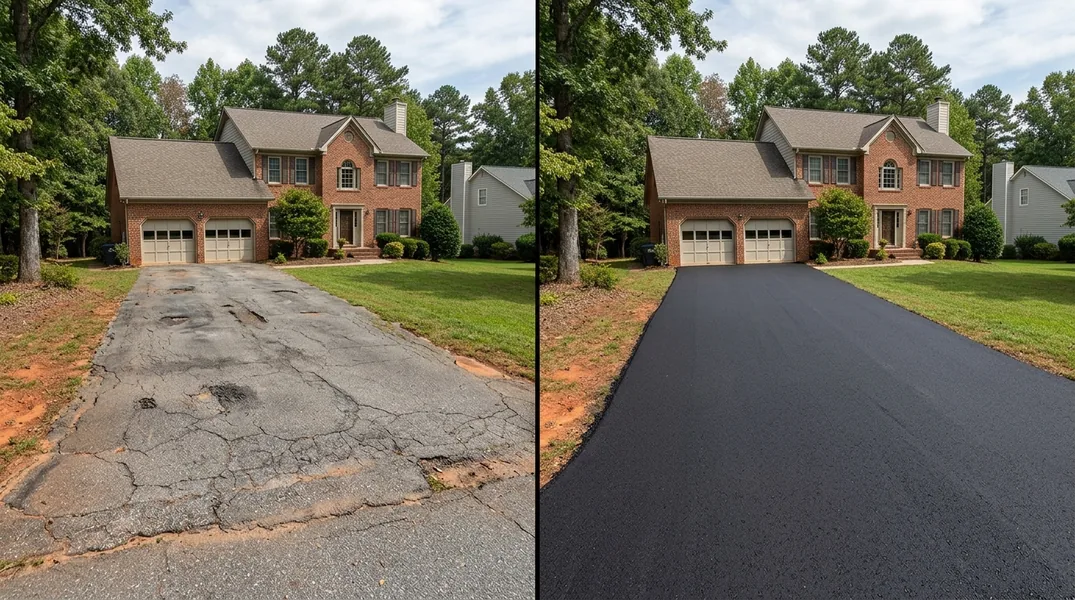
Understanding Driveway Paving Regulations in Catawba County
When you own property in Hickory or elsewhere in Catawba County, understanding local paving regulations is essential before starting any driveway project. Whether you're planning a simple residential driveway or managing a larger private road or HOA paving initiative, the rules that govern these projects vary significantly. Many homeowners assume that paving their own driveway is a straightforward process, but the reality involves multiple layers of local ordinances, HOA bylaws, and sometimes county-level requirements that must be satisfied.
The distinction between a standard residential driveway and a private road or HOA project creates different regulatory pathways. A private road serving multiple properties or an HOA common area falls under different scrutiny than a single-family driveway. These larger projects typically require more comprehensive planning, stakeholder approval, and adherence to stricter construction standards. Understanding these differences upfront can save you time, money, and potential legal complications down the road.
Do I Need a Permit to Pave My Driveway?
The short answer is: it depends on your specific situation and location within Catawba County. For most residential driveways in Hickory, a permit is typically required, though the process may be simpler than you expect. However, if your property is part of an HOA or if you're involved in a private road paving project, the permitting process becomes considerably more complex. Many homeowners are surprised to learn that even routine Asphalt Driveway Paving & Installation work may require formal approval from local authorities.
Private roads and HOA-managed properties operate under additional layers of governance. An HOA typically has its own architectural review board or design committee that must approve paving projects before any work begins. This is separate from municipal permitting requirements. The HOA's covenants, conditions, and restrictions (CC&Rs) may specify materials, colors, drainage patterns, and construction timelines. Additionally, if your private road serves as a thoroughfare for emergency vehicles, it may need to meet county fire department access standards, which can affect width, slope, and surface specifications. These overlapping requirements mean that what seems like a straightforward paving job can involve multiple approval stages.
Driveway Permit Cost and What Influences Your Budget
The pricing for permits and the overall project cost depends on several factors specific to your location and project scope. In Catawba County, permit fees are generally modest for standard residential driveways, often ranging from $50 to $300 depending on the project's square footage and complexity. However, private road and HOA paving projects typically incur significantly higher fees because they require more extensive review, engineering assessments, and inspection oversight. A private road serving ten homes will cost substantially more to permit and construct than a single residential driveway.
Beyond the permit fee itself, larger projects involve engineering and design costs that residential driveways might not require. If your private road or HOA project needs a professional engineer to certify that the design meets drainage standards, traffic load requirements, and safety specifications, you're looking at additional expenses ranging from $1,000 to $5,000 or more. The Driveway Repair and maintenance protocols for HOA-managed roads also tend to be more formalized, with regular inspections and scheduled maintenance budgets that individual homeowners typically don't face. When planning your project budget, factor in permit costs, engineering fees, material costs, labor, and ongoing maintenance reserves if you're managing a shared property.
Driveway Widening and HOA Compliance Standards
Driveway widening projects present their own regulatory challenges, especially in HOA communities or when expanding a private road. Many HOA documents specify minimum and maximum driveway widths to maintain neighborhood aesthetic consistency and ensure proper drainage. If you're planning a driveway widening project, you'll need to review your HOA's architectural guidelines and potentially submit a formal request for approval before proceeding. The HOA may require that the widened driveway use the same materials, color, and finish as the existing surface, or they may have specific standards about how much wider a driveway can extend toward the street or neighboring properties.
From a practical standpoint, driveway widening also involves drainage considerations that regulators take seriously. Expanding your paved surface increases stormwater runoff, which must be managed properly to avoid flooding neighboring properties or overwhelming municipal drainage systems. Catawba County may require that you install or upgrade drainage features like swales, retention areas, or permeable pavement sections to offset the increased impervious surface. For HOA projects, the management company often coordinates with county stormwater departments to ensure compliance. These technical requirements mean that driveway widening is rarely just about pouring more asphalt; it's about understanding how water moves across and away from your expanded surface.
Private Road and HOA Paving: The Larger Project Considerations
Managing a private road or HOA paving project involves coordination that far exceeds a typical residential driveway installation. These projects often require consensus among multiple property owners, approval from the HOA board, coordination with utility companies to mark underground lines, and compliance with both municipal and county standards. If your private road is the only access to multiple homes, it may be classified as a private access road, which triggers additional safety and liability requirements. Fire departments typically require that such roads be wide enough for emergency vehicles, have proper turnarounds, and maintain clear sight lines. These requirements can significantly affect the project's design and cost.
Another critical consideration for larger projects is the specification of materials and construction methods. While a residential driveway might use standard asphalt mix, private roads and HOA common areas often require specific asphalt grades, binder types, and compaction standards to withstand higher traffic volumes and longer service life. Asphalt Resurfacing & Overlay work on private roads may need to be engineered to handle delivery trucks, garbage collection vehicles, and regular use by multiple households. This means your contractor must follow detailed specifications, and the county or HOA may require third-party inspection during construction to verify that work meets those standards. These quality assurance measures add time and cost but ultimately protect your investment and ensure the road serves its intended purpose for years to come.
Getting Started: Your Next Steps for HOA and Private Road Paving
If you're managing an HOA or private road paving project in Hickory, the first step is to gather information about your specific regulatory environment. Contact your local city or county planning department to understand what permits and approvals are required for your project type. If you're part of an HOA, request a copy of the architectural guidelines and contact the management company or board to understand their approval process. Many projects can be streamlined by working with an experienced paving contractor who understands local requirements and can guide you through the permitting process.
Hickory Asphalt Paving has extensive experience managing larger paving projects, including private roads and HOA installations throughout Catawba County. Our team understands the regulatory landscape and can help you navigate permitting requirements, coordinate with local authorities, and ensure your project meets all applicable standards. Whether you're planning a driveway widening, a private road installation, or an HOA paving project, we're here to help. Contact us at (828) 624-5674 or request a free estimate today to discuss your project and learn how we can help bring it to completion on time and within budget.
Looking for a professional asphalt paving contractor in Hickory? Hickory Asphalt Paving responds fast for all your asphalt paving needs.
Get a Free Quote